NORTH ELM, Minnesota — The school district has ended a plain-oatmeal breakfast trial after students eating from the same batch described different meals associated with classmates seated across from them. Breakfast service continues with cereal, fruit and toast, and no student has reported illness or an allergic reaction.
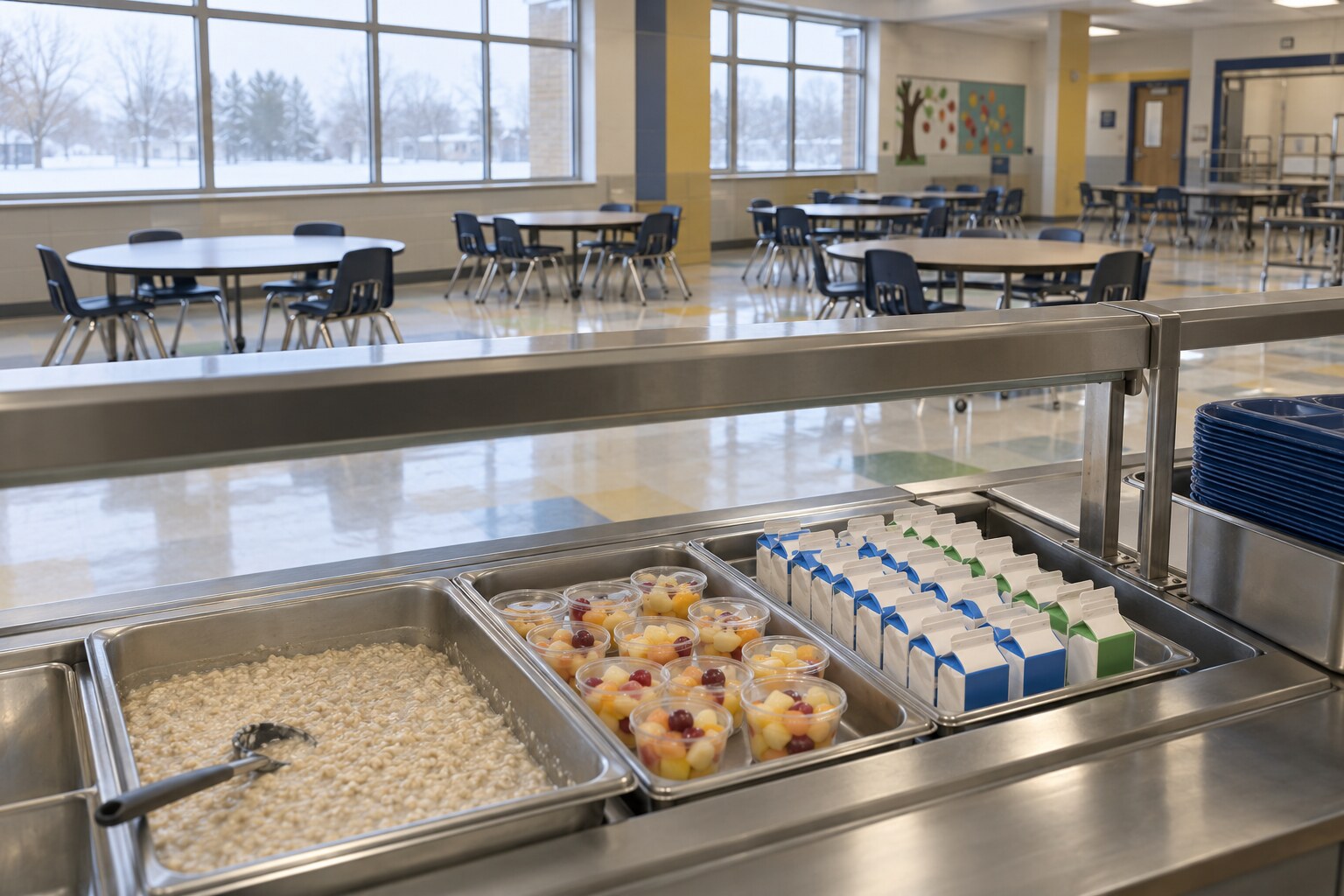
North Elm Elementary introduced oatmeal Tuesday as a low-sugar hot option for 74 students who eat before class. The kitchen prepared rolled oats, water and salt in one steam kettle. Cinnamon, raisins and milk were offered separately so children with dietary restrictions could choose their own additions.
Second-grader Mara Pell took the first plain serving and said it tasted like fried potatoes with onions. The student across from her, Niles Orr, said his father cooks that breakfast on Sundays. Orr's oatmeal tasted to him like sweet rice with orange peel, a dish Pell's grandmother makes but has never sent to school.
Teachers first treated the exchange as conversation and suggestion. They moved children between tables and asked them not to name foods before tasting. The reports followed the seating rather than the bowls: students described a meal connected with the person directly opposite them, even after staff quietly switched servings and spoons.
The flavors included ordinary family foods, not only favorites. One child tasted a bitter soup her tablemate disliked but ate when sick. Another described toast burned on one edge and scraped with a knife. Three students recognized foods from relatives who had died; two asked to leave the cafeteria, and the school counselor joined them without asking for further descriptions.
Principal Lena Voss stopped serving the oatmeal and kept sealed portions from the kettle. Ingredient labels show no added flavoring, and staff prepared the oats with separate utensils used for no other food that morning. The district notified families that it was reviewing an unusual sensory report and offered refunds to prepaid breakfast accounts.
Smell, expectation and social cues strongly shape flavor, said Irena Bell, a food-science lecturer who reviewed the preparation record. Children can also identify a dish from a few shared details after hearing someone else's reaction. Bell said those effects would not normally produce reciprocal, specific descriptions before either child spoke or follow seating changes across a room.
The reports created small disputes as well as comfort. Several children objected to classmates calling home foods strange. One student was pleased that another child recognized his mother's lentil stew without being told its name. Teachers used the morning meeting to remind students that no one was required to explain a family recipe or continue tasting.
Kitchen staff served toast on Wednesday and placed the retained oatmeal portions in a locked refrigerator. Breakfast passed normally. At noon, Voss and two cafeteria employees sampled separate cold portions while seated in a row rather than facing one another. All three described plain oats with no added smell or flavor.
Before disposal, custodian Cal Wren carried the sealed containers to the loading door on a tray. He set them opposite three empty student chairs stacked against the wall. Wren said the oatmeal then tasted of coffee with too much sugar, the way his former morning custodian prepared it before retiring. The spoon had been washed, but he placed it with the retained containers because the coffee taste remained on the metal after the oats were gone.